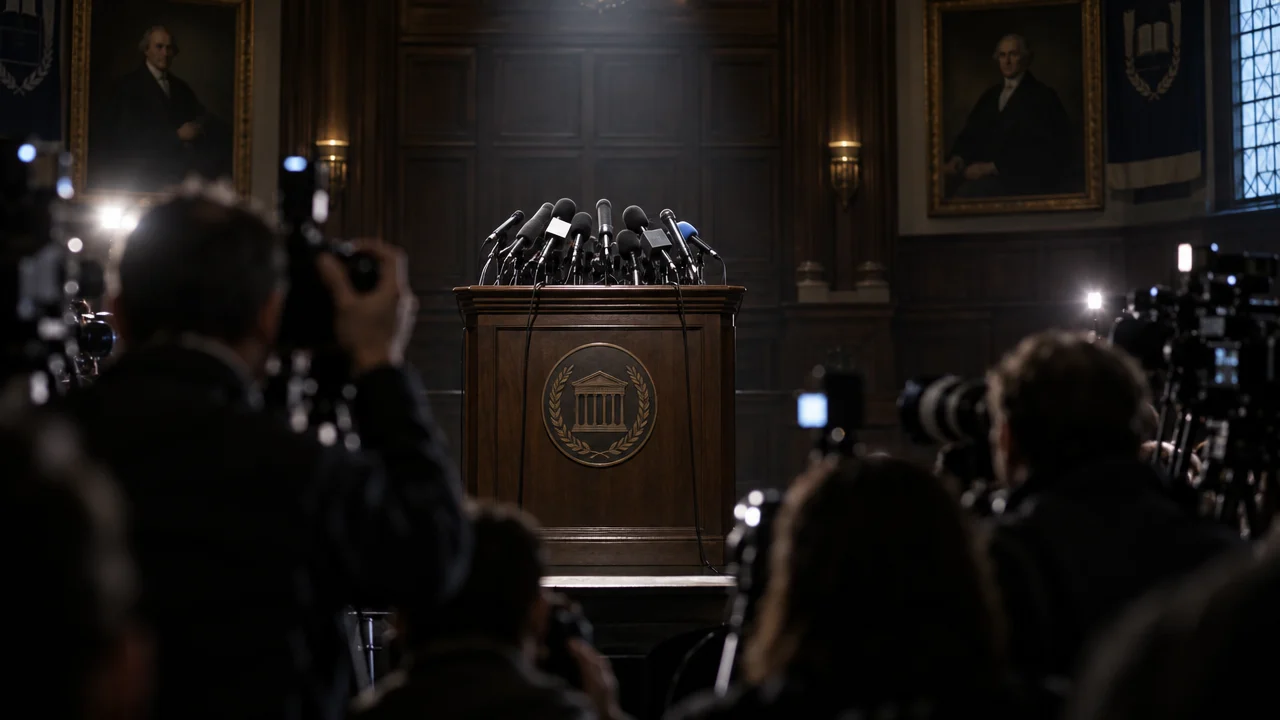
Universities are already warning the public about fake vice-chancellors. Deepfakes will make the next ones far more convincing.
 Jonathan Sabarre
8 November 2026 · 3 min read
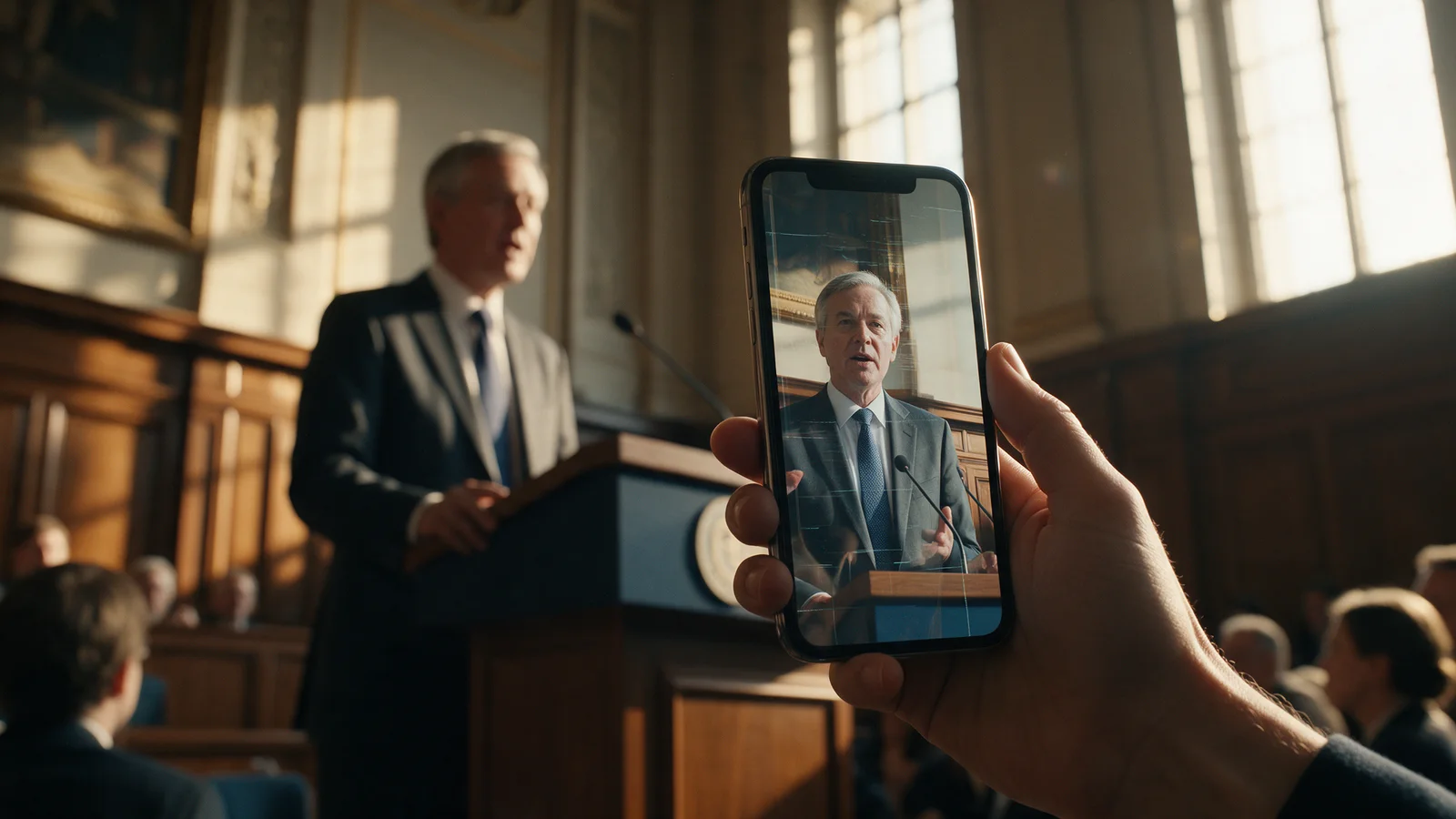
Throughout 2026, universities in Nigeria have issued a string of public warnings about fake social media accounts using their vice-chancellors’ names and photographs. Most of these scams are crude. Someone sets up a profile, borrows the leader’s authority and asks for money, usually for jobs, contracts or admissions that don’t exist.
The crude version won’t last. In 2024, an employee at Arup’s Hong Kong office joined a video call with what appeared to be the company’s chief financial officer and several colleagues. Every one of them was a deepfake. By the time anyone checked, around HK$200 million (about US$25 million) had been transferred to fraudsters.
I haven’t found a confirmed deepfake of a vice-chancellor yet. I’d be surprised if that’s still true in two years. University leaders are unusually exposed: they speak in public constantly, their videos and speeches are online, and their names carry real authority with students, staff, applicants and partners.
Why I’ve thought about this more than most
I present my own podcast as a digital twin, an AI version of me speaking in my voice. I did it with my own consent, I say so openly, and anyone can check it against the real me. Those three things, consent, disclosure and a way to verify, are what make synthetic media legitimate.
A fake vice-chancellor video has none of them. The problem is that most universities give their audiences no reliable way of telling the difference. If a convincing clip of your leader announcing something false went round on a Sunday evening, how would a student, a journalist or a parent check it?
Any leader can be faked now. What matters is whether anyone could tell, and how quickly you could prove it.
A verified-voice protocol
The advice coming from security specialists, including EDUCAUSE, is to set up verification that doesn’t depend on the channel the request arrived through. For a university, I’d turn that into a short protocol agreed before anything happens.
List your official channels in one place. One page, linked from the homepage, that says exactly which accounts and addresses speak for the university and its leaders. Anything not on it isn’t official.
Set rules your leaders will never break. The vice-chancellor will never ask for money, personal data or urgent action through a personal message, a video call out of the blue or a social media DM. Say this publicly and often.
Agree who confirms or denies, and how fast. Name the person who can issue a denial within the hour, at any time of day, and rehearse it. This is the same discipline as any other crisis plan, applied to a new kind of incident.
Brief your staff first. Finance, admissions and international teams are the most likely targets. Out-of-band checks, a call back on a known number before acting on any unusual request, cost nothing and stop most of this.
The opportunity
Trust in what a university says is one of its most valuable assets, and synthetic media is about to test it. The universities that put a simple verification protocol in place now will be able to respond in minutes rather than days. They’ll also be able to use AI openly and confidently themselves, because their audiences will know how to tell the real voice from a fake.
I’ll be talking about this with communications directors on Season 2 of the podcast. If you’ve already built something like this, I’d like to hear how it’s working.
Jonathan Sabarre FCIM MBA is Principal Consultant at QS Quacquarelli Symonds, a keynote speaker and host of Marketing Greats in Higher Education. Get the weekly email or invite him to speak.