Sustainability claims are becoming the sector's next reputation risk
 Jonathan Sabarre
3 October 2026 · 2 min read
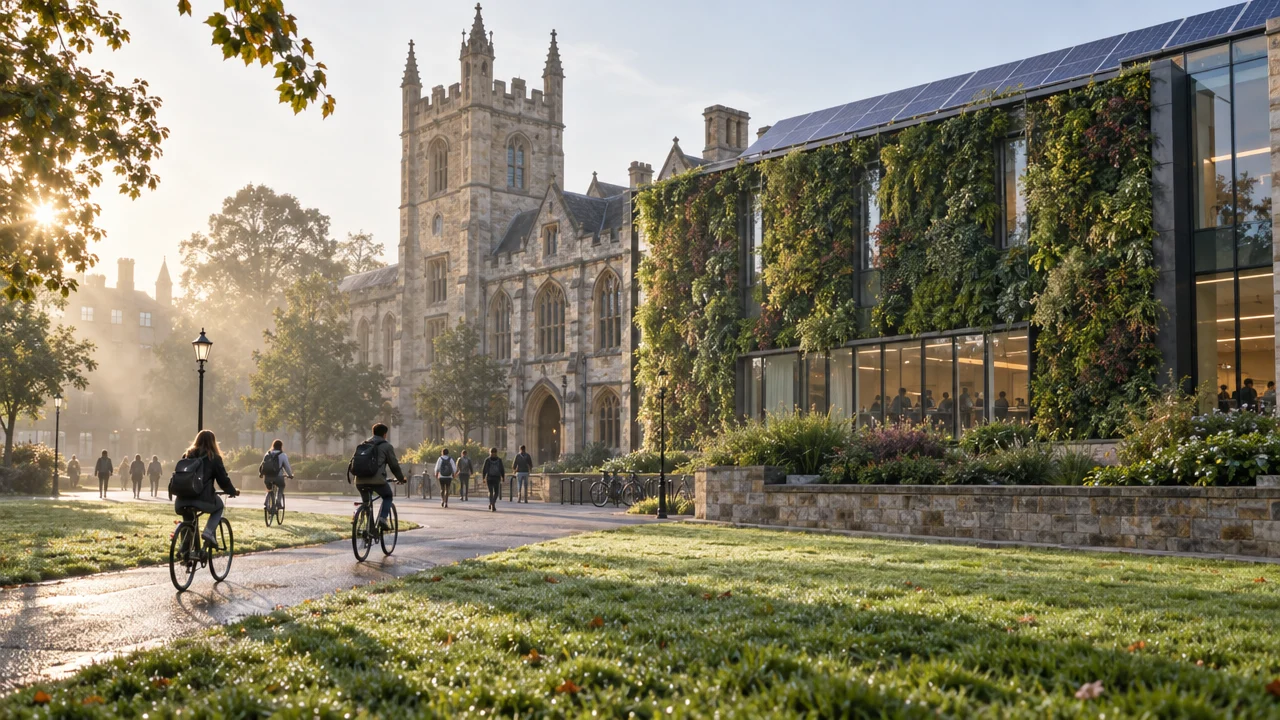
Sustainability has rightly become central to how universities describe themselves. Climate research, net zero commitments, sustainable campuses and responsible investment all feature prominently in strategies and prospectuses. Rankings have followed, with the QS Sustainability Rankings and others giving institutions a way to benchmark their progress.
That’s a positive shift. It also creates a new kind of reputational risk, and I don’t think the sector has fully caught up with it.
Scepticism is rising
Prospective students, particularly younger ones, are some of the most environmentally literate audiences any organisation will face. They’re also some of the most sceptical. They notice when a university promotes its green credentials while expanding flights for international recruitment or holding investments that contradict its message. Staff notice too, and they’re often the most vocal critics when words and actions don’t match.
Regulators are paying closer attention as well. In the UK, the Competition and Markets Authority’s Green Claims Code has set clear expectations for environmental claims, and new EU consumer rules restrict vague, unsubstantiated environmental language. Universities aren’t exempt from that direction of travel just because they’re charities or public bodies.
Students are some of the most environmentally literate audiences any organisation will face, and some of the most sceptical.
Where the risk sits
In my experience, the problem is rarely deliberate exaggeration. It’s usually enthusiasm outrunning evidence. A campaign describes the campus as “carbon neutral” when only part of it is. A web page claims leadership on sustainability without saying against what. A target is announced, then quietly missed, without anyone updating the public commitment.
Each of those is small. Together, they create a gap between what an institution says and what it can prove, and that gap is exactly what critics, journalists and rankings assessors look for.
A more credible approach
Evidence every claim. Before a sustainability claim appears in marketing, someone should be able to point to the data behind it. If they can’t, change the wording.
Be specific, not sweeping. “We cut emissions from our estate by a third between 2019 and 2025” is far more credible than “we’re a leader in sustainability”. Specific claims are also more memorable.
Report progress honestly. Publish what you’ve achieved and what you haven’t. Institutions that acknowledge where they’re behind earn more trust than those that only share good news.
Align communications and operations. The sustainability office, estates, finance and marketing should agree a shared position and a shared set of facts. Mixed messages are where most problems start.
Let your research speak. Many universities have world-class climate and sustainability research. That work, and the academics behind it, are often the most powerful evidence of genuine commitment.
Turning risk into reputation
Handled well, sustainability is one of the strongest reputation stories a university can tell, because it combines research, teaching, campus life and civic responsibility. The institutions that win trust will be the ones that treat it with the same rigour they’d apply to any other claim about quality.
My advice to marketing and communications leaders is simple: before your next sustainability campaign, ask the most sceptical student you know to read it. If it survives their scrutiny, it’s ready.
Jonathan Sabarre FCIM MBA is Principal Consultant at QS Quacquarelli Symonds, a keynote speaker and host of Marketing Greats in Higher Education. Get the weekly email or invite him to speak.