I present my podcast as a digital twin. Here's where universities should draw the line.
 Jonathan Sabarre
28 October 2026 · 2 min read

Since October, every episode of Marketing Greats in Higher Education has been presented by a digital twin of me. The ideas are mine, drawn from articles I’ve published here. The voice is a clone of my own, and the presenter on screen is generated from my likeness. It lets me publish a considered episode every week alongside a full-time role, and I’m comfortable with it because it’s my face, my consent and my ideas.
Universities are moving in the same direction, using AI for imagery, video, translation and personalised content. Some of it is excellent. Some of it worries me, because the audience universities most want to reach is the most sceptical of all.
In January, the IAB and Sonata Insights published research on attitudes to AI-generated advertising among Gen Z and millennial consumers in the US. 82% of advertising executives believed young consumers felt positive about AI-made ads. Only 45% of consumers actually did. Gen Z were almost twice as likely as millennials to feel negative (39% against 20%). Yet 73% said knowing an ad was made with AI would either make them more likely to buy or make no difference.
Why AI content has become a reputation issue
Read together, those findings point one way. Young people are comfortable with AI. What they object to is being misled by it. Clear disclosure costs very little, and being caught out costs a great deal.
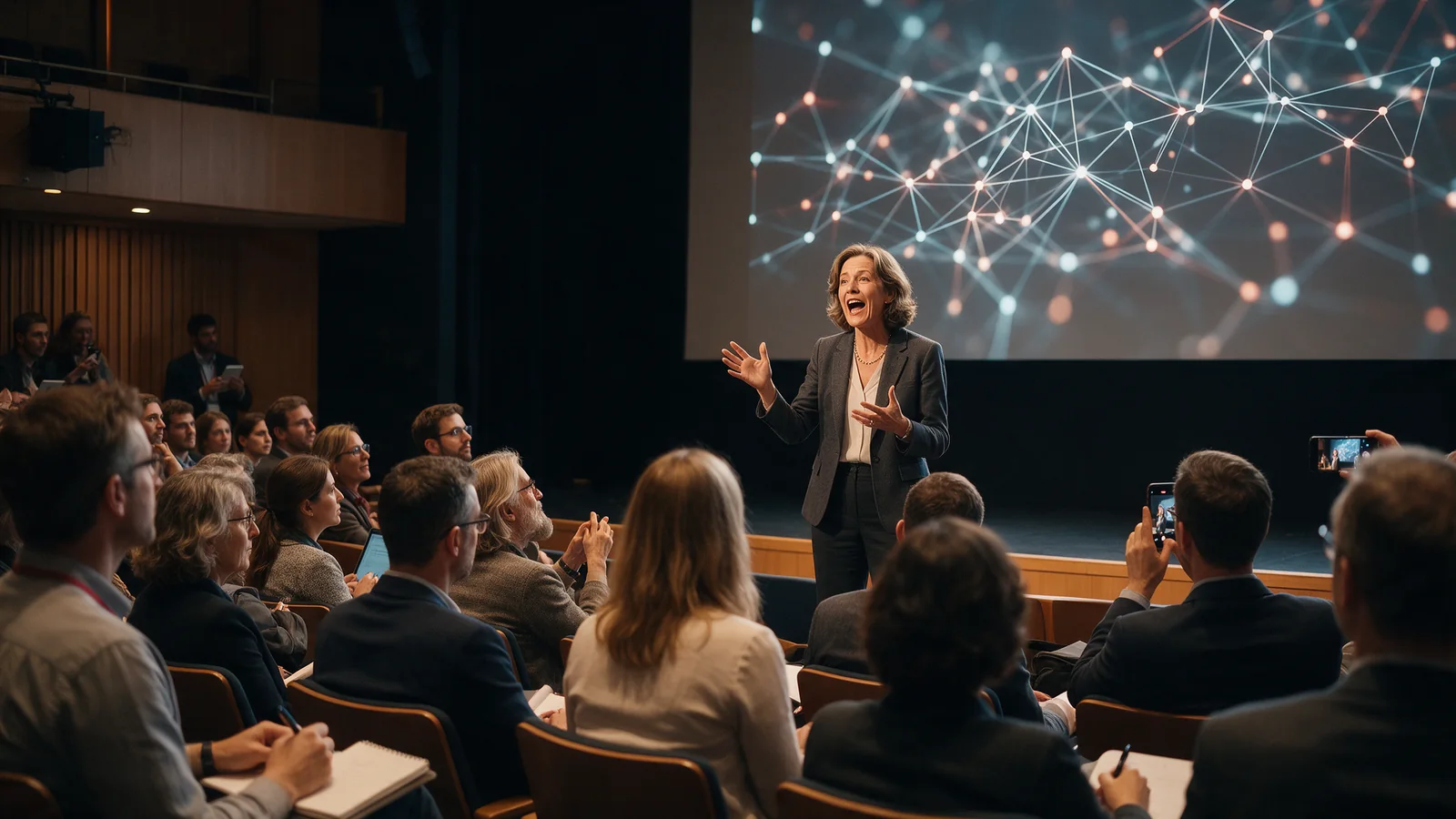
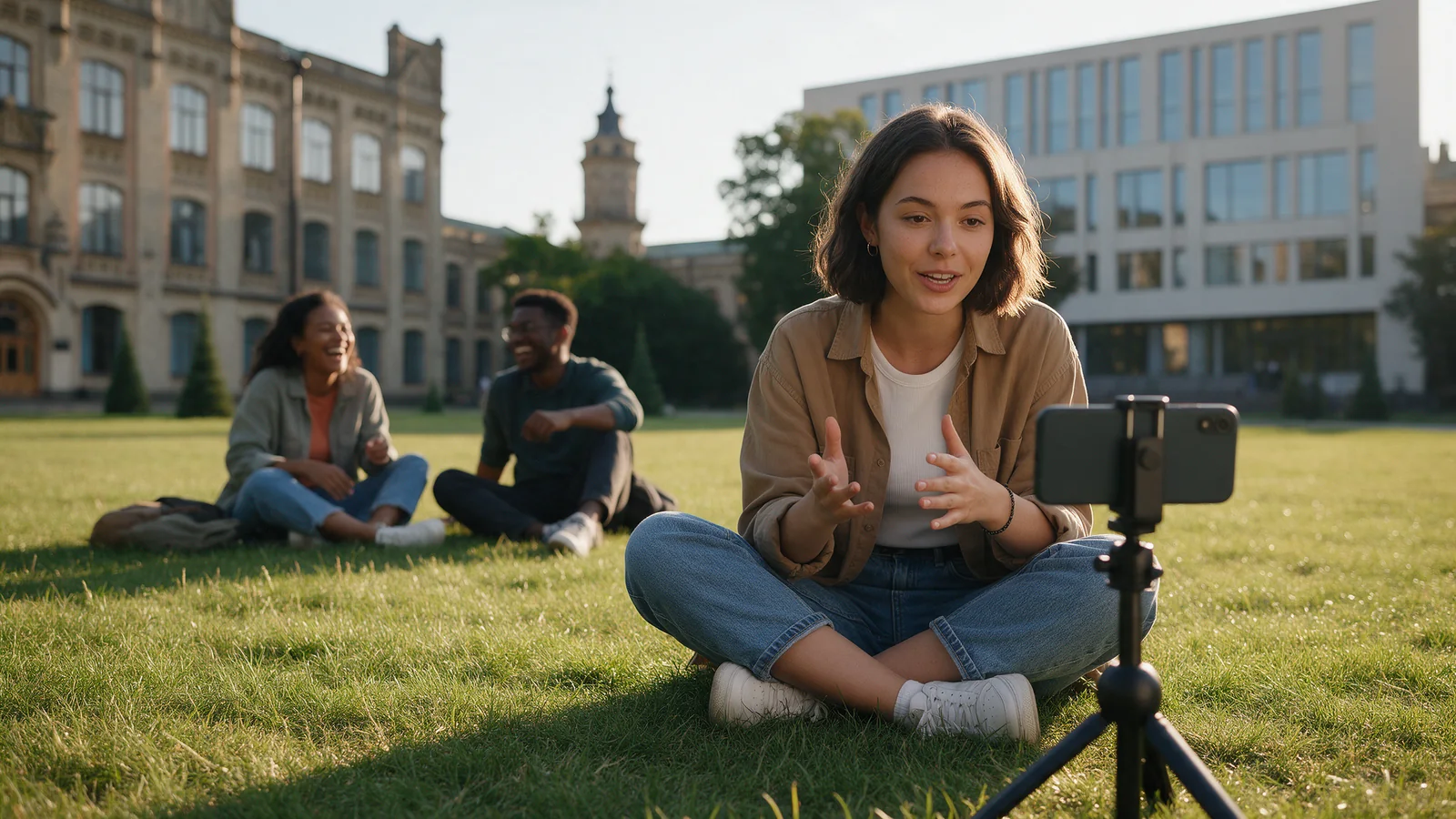
For a university the risk is sharper than for most brands, because so much of what we sell is evidence: real students, real campuses and real outcomes. An AI-generated image of a seminar that never happened, or a synthetic student in a recruitment video, makes a claim about the student experience that isn’t true.
AI can carry your message. It must never invent your evidence.
What I’d ask every university marketing team to do
Never use AI to depict what doesn’t exist. No synthetic students, campus scenes, events or outcomes presented as real. If an image is illustrative, make that obvious.
Disclose clearly and early. Label AI-generated video, voices and imagery. The research suggests it rarely costs you trust, and it protects you when someone asks.
Use AI where it adds value. Translation, accessibility, captioning, versioning content for different audiences and helping small teams produce more of what’s genuinely theirs. That’s where the gains are, and none of it requires pretending.
Get consent for every likeness. Anyone whose face or voice is cloned, staff or students, should give explicit, informed consent that they can withdraw, with clear limits on how it’s used.
Agree the rules before the tools. Write a short, public AI content policy now, before the first problem forces one on you. It’s far easier to defend a principle you set in advance.
The opportunity
AI will be part of every university’s marketing within a few years. The institutions that set honest rules early will be trusted when others are caught out, and they’ll be free to use the technology confidently rather than nervously.
I’m learning a lot by doing this myself, and I’ll share more on Season 2 of the podcast, including the things I’d never let a digital twin do.
Jonathan Sabarre FCIM MBA is Principal Consultant at QS Quacquarelli Symonds, a keynote speaker and host of Marketing Greats in Higher Education. Get the weekly email or invite him to speak.