Why I'm bringing Marketing Greats back
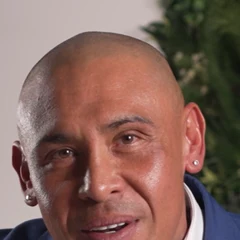 Jonathan Sabarre
16 October 2026 · 2 min read

 Listen or watch · Episode 1 · 3:59Why I'm Bringing Marketing Greats Back to Higher Education
In 2023 I recorded six conversations with marketing leaders I admired, from Sage’s CMO to the people behind a billion-download games studio. Then the day job took over. Three years on, I’m bringing the podcast back, and this time it’s built entirely around higher education.
The reason is simple. I now spend my working week with universities in very different countries, and the same questions come up everywhere. How do we show up in AI search? What actually moves reputation? How do we build a team that can do more without burning out? The best answers I hear rarely make it onto a conference slide, so I want to give them a bigger stage.
What’s changing
Season 2 is weekly, global and focused on practice. It opens with short solo episodes from me, and guest conversations are coming. Every guest will be someone doing the work: chief marketing officers, communications directors, recruitment leads and, where I can persuade them, vice-chancellors. I’ll ask each of them what they’d do differently if they started again, which tends to be where the real insight is.
There are three threads running through the season:
- AI in practice. The reality rather than the hype: which tools teams are using, what they’ve stopped doing, and what went wrong along the way.
- Reputation and performance. How institutions measure perception, what rankings do and don’t tell them, and the decisions that genuinely shift the dial.
- Leadership. Building teams, winning the argument with senior leadership, and keeping creativity alive in organisations that run on committees.
The best answers I hear rarely make it onto a conference slide. I want to give them a bigger stage.
Why it matters to me
I’ve been lucky to learn from generous people throughout my career, first in hospitality and then at Newcastle University and through the Russell Group forum I used to chair. Most of what I know about leading a marketing function came from conversations over coffee with peers who were a step ahead. The podcast is my way of opening those conversations up to anyone who wants to listen.
How to hear it first
Season 2 is live now, and every episode is here. If you’d like each new episode and my latest thought leadership in your inbox once a week, you can sign up here. And if there’s a guest you think I should be talking to, I’d genuinely love to hear from you.
Jonathan Sabarre FCIM MBA is Principal Consultant at QS Quacquarelli Symonds, a keynote speaker and host of Marketing Greats in Higher Education. Get the weekly email or invite him to speak.